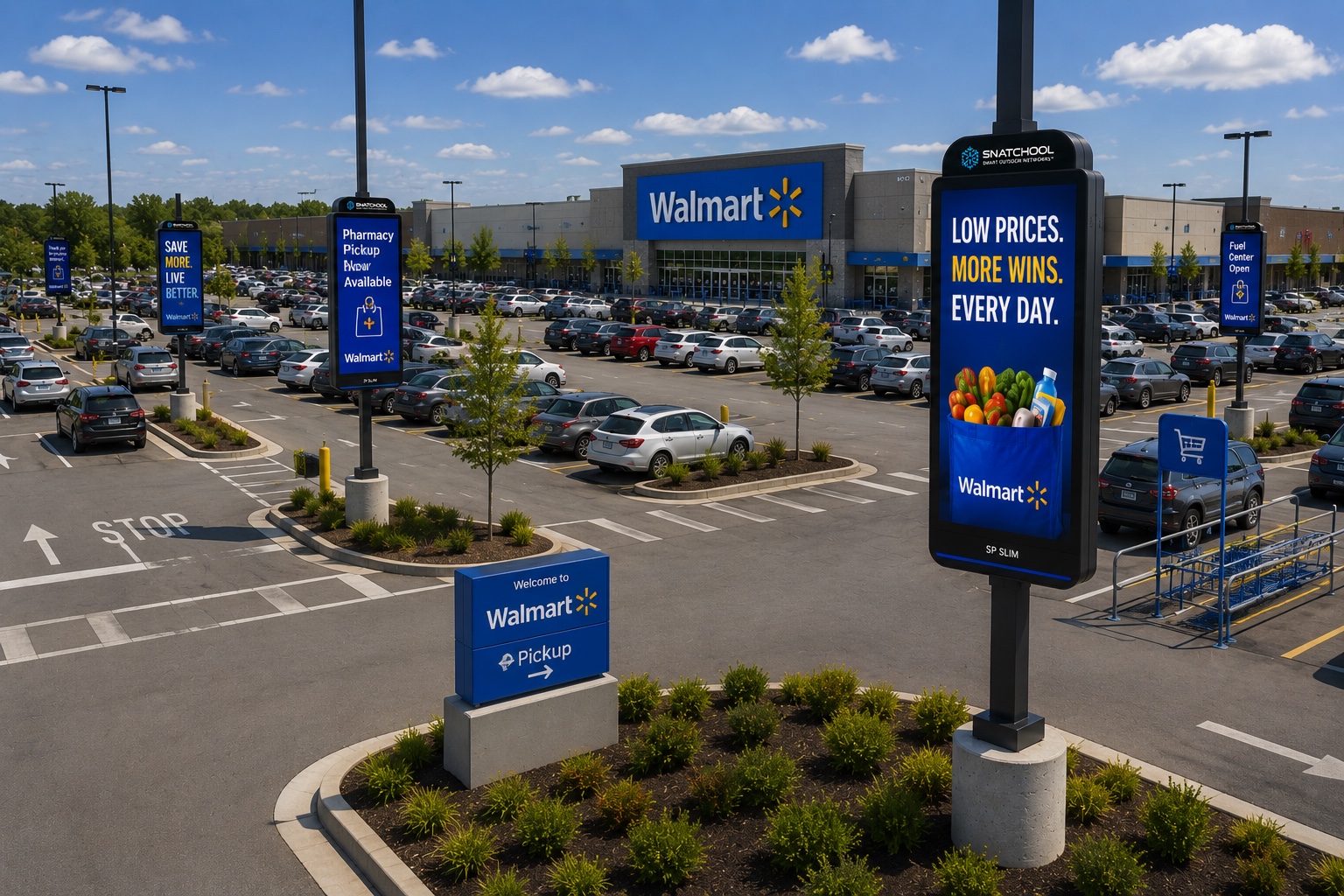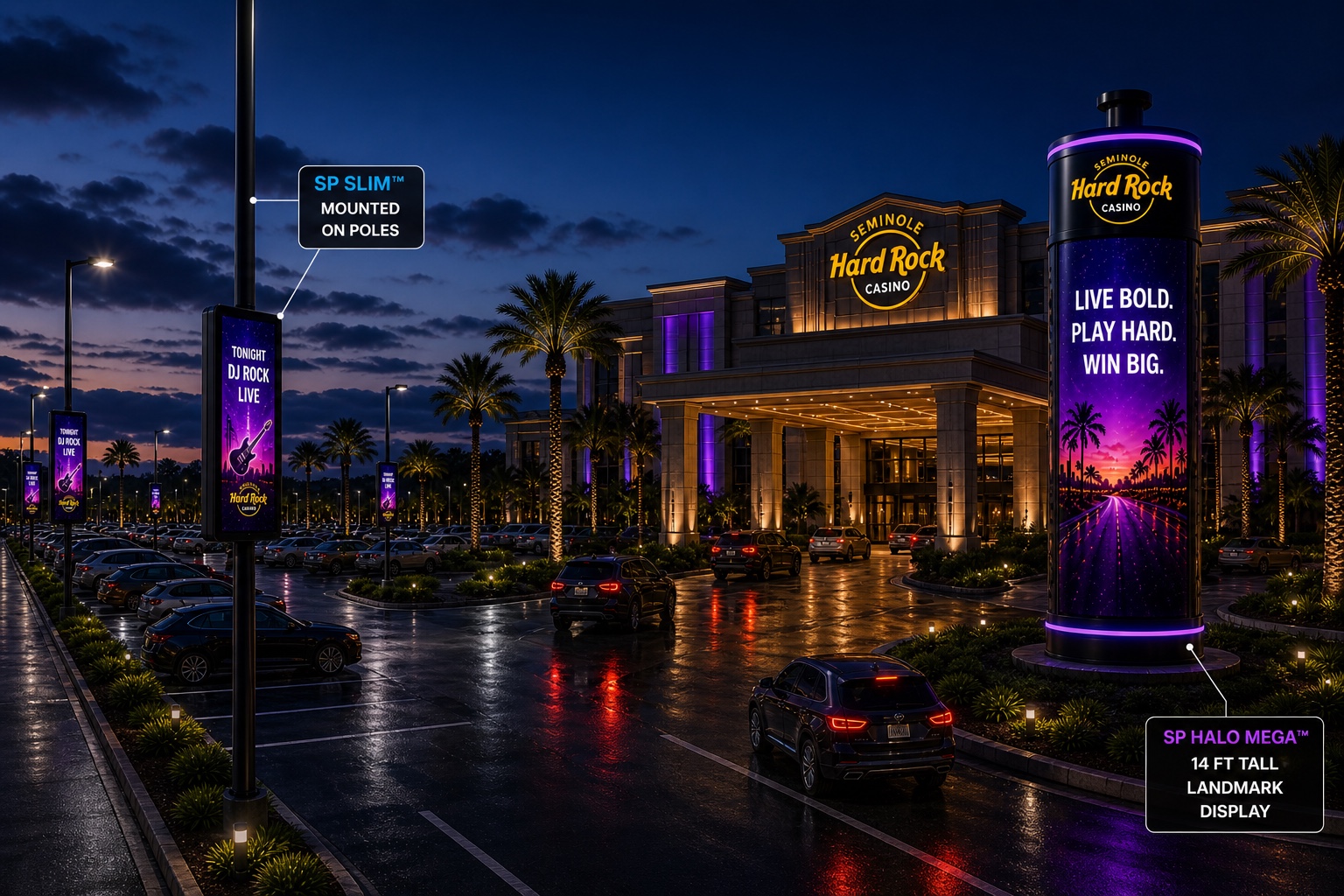
Cities that want better outdoor communication infrastructure usually run into the same wall: the capital budget can't absorb it, and raising taxes to pay for it isn't politically realistic. The Snatchool model addresses that wall directly. A managed advertising layer on the same network funds deployment and operations, while the city keeps editorial control of what runs and on what standards.
The funding gap most cities face
Municipal communication infrastructure historically has no dedicated funding source. Static signs come out of public works capital. Emergency alert apps come out of IT. Civic communication comes out of the communications office. Nothing is funded as infrastructure, because nothing has a revenue model attached.
That's why outdoor digital communication infrastructure is rare in cities that need it most. It isn't a capability problem — it's a funding model problem. The Snatchool platform was designed around solving that, not around hoping a grant or a bond would solve it.
How the managed advertising layer works
The Snatchool platform reserves a defined share of inventory on each unit for a managed advertising layer. That inventory is curated by the city — categories, standards, and creative templates are all controlled at the platform level. The platform enforces them automatically; nothing publishes that doesn't comply.
Revenue from this layer funds the deployment, the operational support, the content platform, and the maintenance program. Cities don't write a separate check for each — the advertising layer is what makes the rest sustainable.
What this is not
This is not a billboard network. A billboard network is operated by a third party that controls the inventory and the standards; the city is a landlord with a percentage. A Snatchool deployment is operated as a city-owned asset; the managed advertising layer is one component the city directs, not the purpose of the network.
The distinction matters because the public realm reads it instantly. A network whose primary purpose is advertising looks like advertising infrastructure. A network whose primary purpose is communication, with advertising as a funding mechanism, looks like civic infrastructure.
Category control and brand safety
Cities define category restrictions before deployment — typically no political content, no adult content, no categories in tension with civic values. The platform enforces those restrictions through approval workflow and template constraints.
Local-first sponsorship is also supported. Many cities prefer to surface local businesses, civic partners, and institutions in the managed advertising layer before opening inventory to national brands. The platform supports either model.
Why this scales better than alternatives
The alternative funding models — grants, bonds, sponsorship pledges — all share the same problem: they're episodic. The infrastructure has to keep operating after the grant cycle ends, and most municipal budgets aren't structured to absorb that. The managed advertising layer is recurring by design, which is what infrastructure needs.
It also scales with the network. As the city adds units to additional corridors, the advertising inventory expands in step, and the revenue base grows with the operational footprint.
- Cities historically lack a dedicated funding source for outdoor communication infrastructure.
- Snatchool's managed advertising layer is structured to fund deployment, operations, and maintenance.
- The city controls categories, standards, and creative templates — enforced at the platform level.
- This is not a billboard network — it is civic infrastructure with advertising as one funding component.
- Recurring revenue scales with the network, unlike episodic grants or bonds.
Frequently Asked Questions
No. The city defines category restrictions, creative standards, and approval workflows. The platform enforces them automatically.
Yes. Many cities prefer a local-first model for the managed advertising layer; the platform supports that and other configurations.
No. A billboard concession is operated by a third party for advertising purposes. A Snatchool deployment is operated by the city as a communication asset, with the advertising layer as one funding component.
Bernard M. Albury Jr. is the founder of Snatchool Innovations LLC and the architect behind the SP Slim™ and Smart Palm™ outdoor communication platforms. He developed the First Contact Community Awareness™ operating principle that governs every Snatchool deployment and the Municipal Digital Messaging™ framework that coordinates public safety, civic information, and managed advertising into a single outdoor channel.